AEC Renaissance
A Strategic Orientation to Artificial Intelligence in the Built Environment
The architecture, engineering, and construction industry is entering a once-in-a-generation shift. Artificial intelligence is no longer a future concept or a set of experimental tools. It is already reshaping how work is done, how decisions are made, and how expertise is defined across the built environment. Yet most professionals are being asked to engage with AI without ever being given a clear, grounded understanding of what it is, how it works, or how to think about it responsibly.
The AEC Renaissance is the catalyst for change that you need.
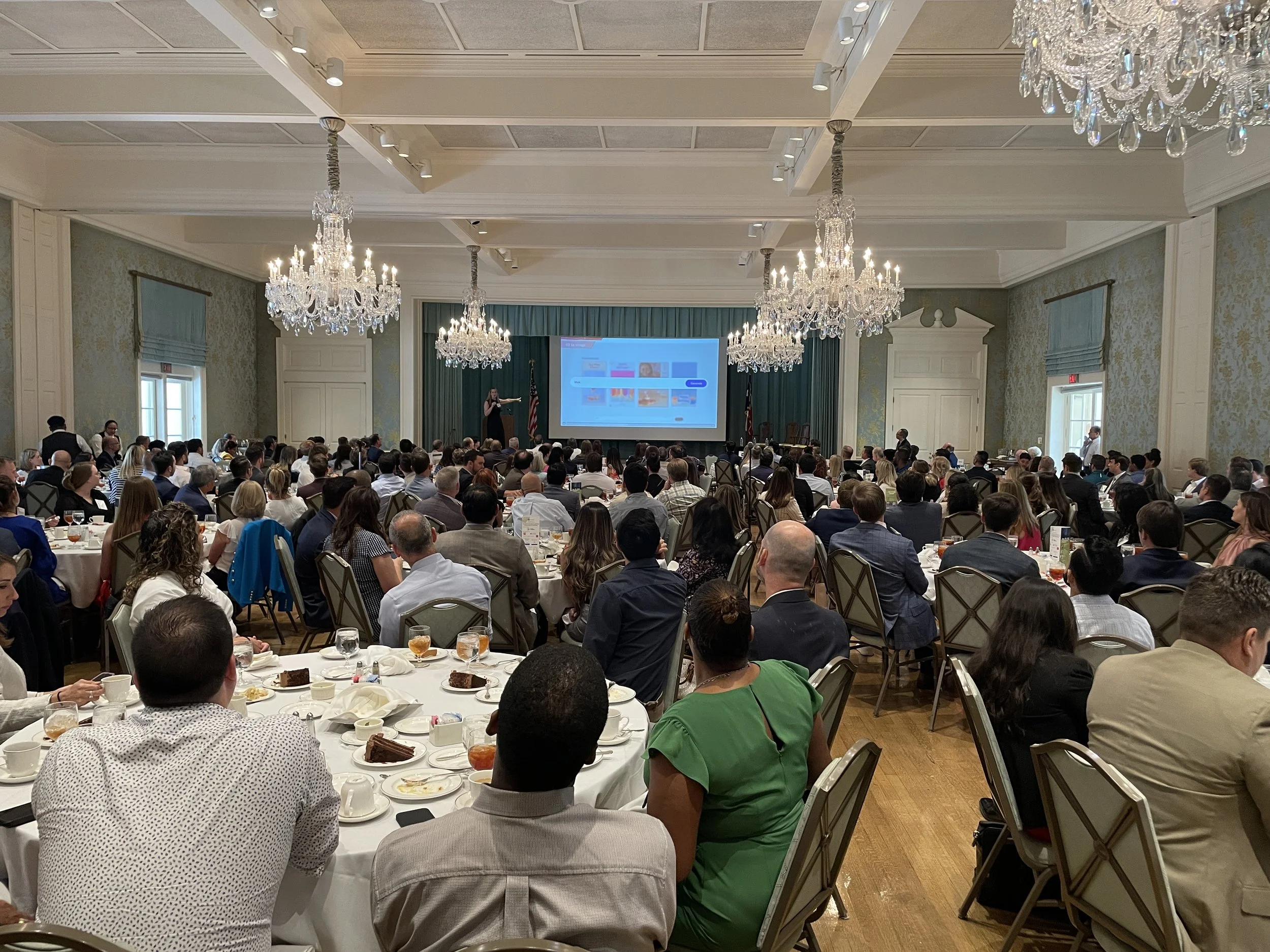
This immersive experience provides a strategic orientation to artificial intelligence for AEC professionals and leaders. It replaces hype and fear with clarity, confidence, and context. Rather than focusing on prompts or isolated tools, the session builds a shared mental framework for understanding AI and its role in modern practice.
Over 2.5 hours of guided instruction followed by live Q&A and discussion, participants explore:
What artificial intelligence actually is and how modern systems function, explained in plain language
Why this moment is fundamentally different from previous technology shifts
How AI is changing the nature of expertise, judgment, and decision-making in AEC
The evolving landscape of AI tools, apps, assistants, agents, automations, and enterprise platforms
When it makes sense to buy off-the-shelf solutions versus build internally
The operational, cultural, and ethical challenges AI introduces
How mindset, curiosity, and leadership matter more than technical skill
This session equips participants with the ability to ask better questions, evaluate tools and vendors more intelligently, and participate in AI conversations with confidence rather than uncertainty.
To support integration and reflection, the program includes a follow-up one-hour office hours session for all participants. This dedicated time allows attendees to return with real-world questions, explore use cases, and receive direct guidance after they have had time to process and apply what they learned.
The AEC Renaissance is ideal for firms and teams seeking a calm, credible, and strategic foundation for engaging with AI. It establishes a shared language, a clearer understanding of opportunity and risk, and a stronger sense of agency in navigating the changes ahead.


The AEC Renaissance is priced at $3,000 to reflect the depth, expertise, and strategic value of the experience.
This program is not a general AI overview or a tool-based training. It is a carefully designed orientation that helps professionals and organizations understand artificial intelligence at a foundational level to make the right decisions that affect operations, culture, risk, and long-term strategy.
Participants are not simply introduced to concepts. They are guided through how to think about AI in the context of the built environment, including how to evaluate tools, vendors, and internal opportunities with greater clarity and confidence. This level of understanding reduces costly missteps, accelerates responsible adoption, and supports better decision-making across teams.
The fee includes:
2.5 hours of live, expert-led instruction tailored to the AEC industry
Live Q&A and facilitated discussion to connect the material to real-world challenges
A follow-up one-hour office hours session for deeper exploration, clarification, and application
Access to an experienced AI strategist with deep AEC domain knowledge, not a generic technology presenter
Organizations routinely spend significantly more on isolated software pilots, vendor demos, or internal experimentation without first establishing a shared understanding of AI’s capabilities, limitations, and implications. This program provides that foundation, helping teams make smarter investments and move forward with greater alignment.
The value of the session lies not only in the information shared, but in the confidence, clarity, and strategic literacy participants gain. For many organizations, this orientation becomes the baseline from which all future AI-related decisions are made.